
A Written Scope That Matches the Roof
Look for specific line items: tear-off versus overlay, underlayment type, drip edge, valley method, ice-and-water membrane locations, flashing replacement, and ventilation plan.
Serving Fort Collins, Colorado & surrounding areas
Mon–Sat · 7am–7pm
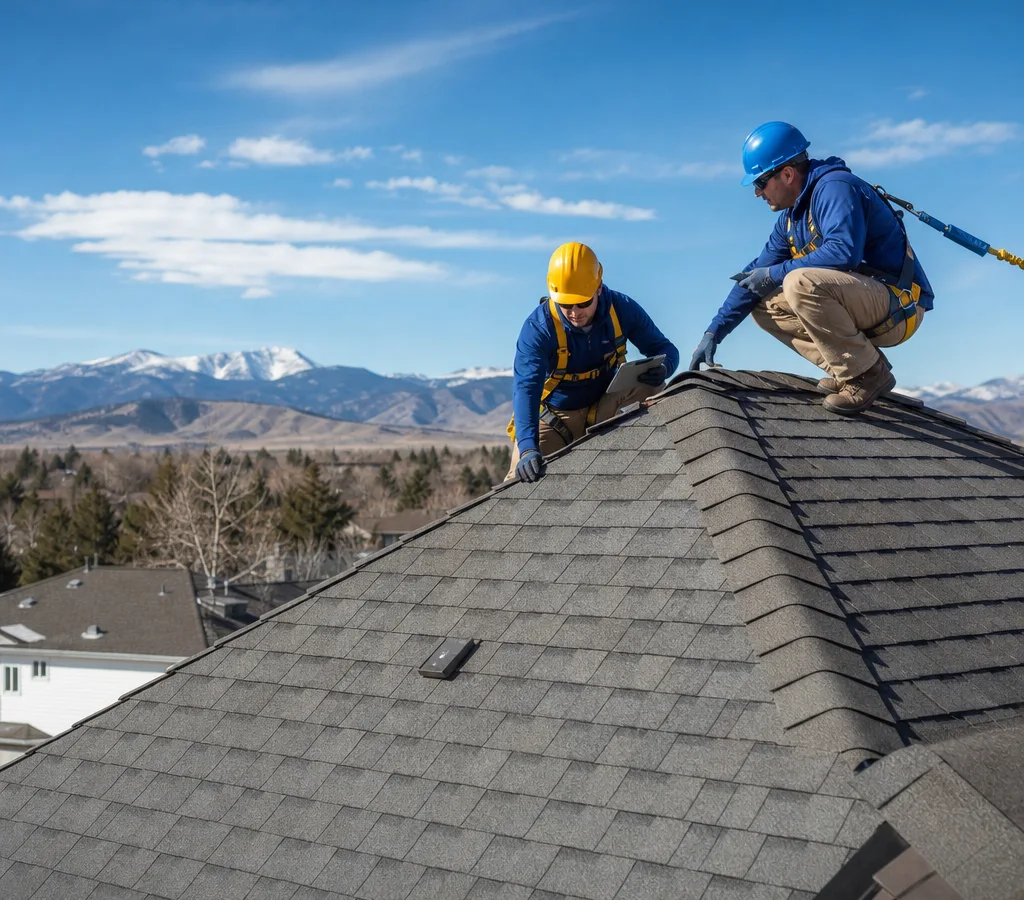
Roofing Companies · Fort Collins, Colorado
Get a roof inspection, a written scope, and clean workmanship from a local crew that understands Front Range weather and Fort Collins neighborhoods.
Hiring With Confidence
If you are comparing roofing companies Fort Collins CO homeowners use year after year, start with how the company inspects, documents, and communicates. The best outcomes usually come from a clear scope of work—what gets replaced and what stays—material choices explained in plain terms, and a plan for protecting landscaping, siding, and gutters while the crew is on your property.
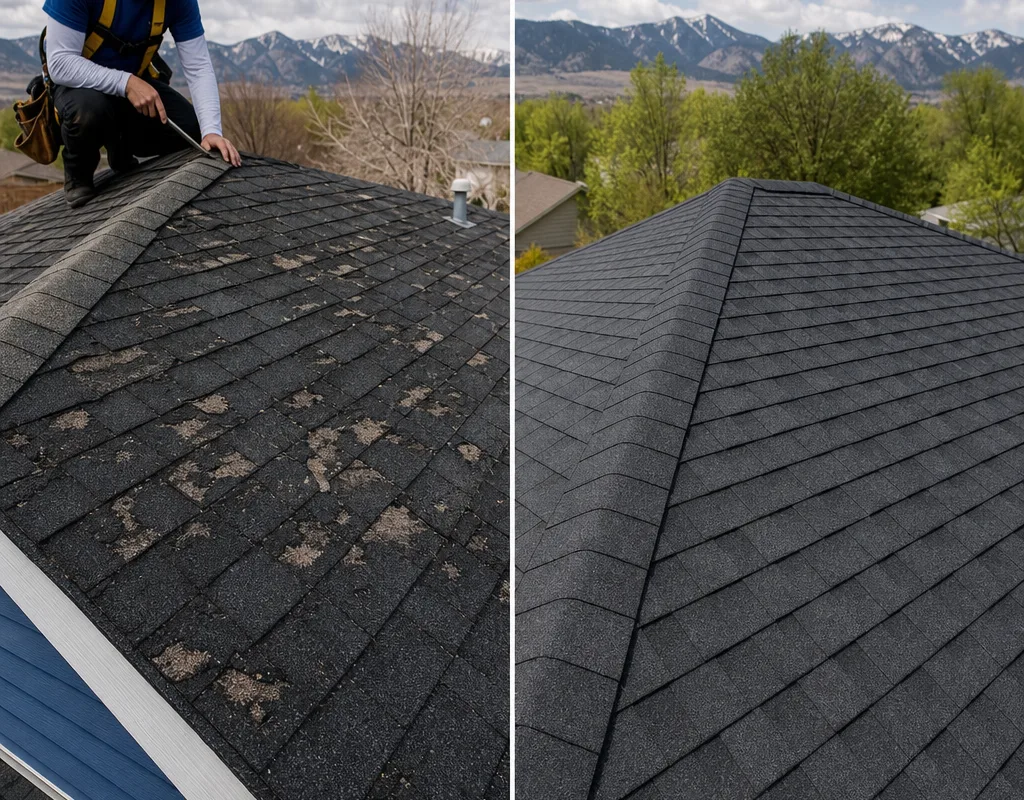
Fort Collins sees intense sun at elevation, quick temperature swings, wind events, and hail along the Front Range. That mix affects what fails first. Fasteners can back out, sealant details can crack, and impact damage can compromise shingles or ridge caps even when the leak is not obvious yet. A thorough inspection looks at the field of the roof, ridge and hip caps, pipe boots, step flashing at walls, valleys, and ventilation. It also includes the attic when accessible, because staining, frost, or damp insulation can tell you as much as the shingles.
Neighborhood context matters too. Older central Fort Collins areas often have a blend of rooflines and add-ons where transitions and flashing are the make-or-break details. In newer subdivisions on the south and east sides of town, large, continuous roof planes can face greater wind and hail exposure. Near the foothills, wind-driven rain and debris can test edge details, gutters, and valleys. A good roofer adjusts the plan to the roof you actually have, not a one-size template.
If you want to understand how our team handles different roof needs, start with an overview of our Fort Collins roofing services and ask for an inspection that results in a written, itemized proposal.
Compare the Details
Look for specific line items: tear-off versus overlay, underlayment type, drip edge, valley method, ice-and-water membrane locations, flashing replacement, and ventilation plan.
A good proposal explains shingle class and warranty registration, synthetic versus felt underlayment, and how ridge cap, starter strip, and sealants are handled.
Ask how siding and landscaping are protected, where the dumpster goes, how nails are managed, and how driveway and gutter damage are prevented.
Fort Collins weather changes quickly. The plan should explain overnight roof protection and what triggers a reschedule for wind or storms.
When storm damage applies, look for dated photos, clear notes, and a scope written to align with common adjuster expectations.
You should know who is onsite, who supervises the work, and what is covered if an issue appears after the crew leaves.
Repair, Replacement, and Storm Work
Most people searching Fort Collins roofing companies are trying to solve one of three problems: stop a leak, recover from storm damage, or replace an aging roof before it becomes an emergency. A qualified roofing company should guide you through each and explain when a full replacement is not necessary.
Typical work includes:
In Fort Collins, the details that tend to separate good work from short-lived work are the transitions: wall-to-roof intersections, dormers, porch tie-ins, and any place water is guided into a valley or gutter. During the inspection, ask the roofer to show you photos of those areas and explain the exact materials and fastening method planned.
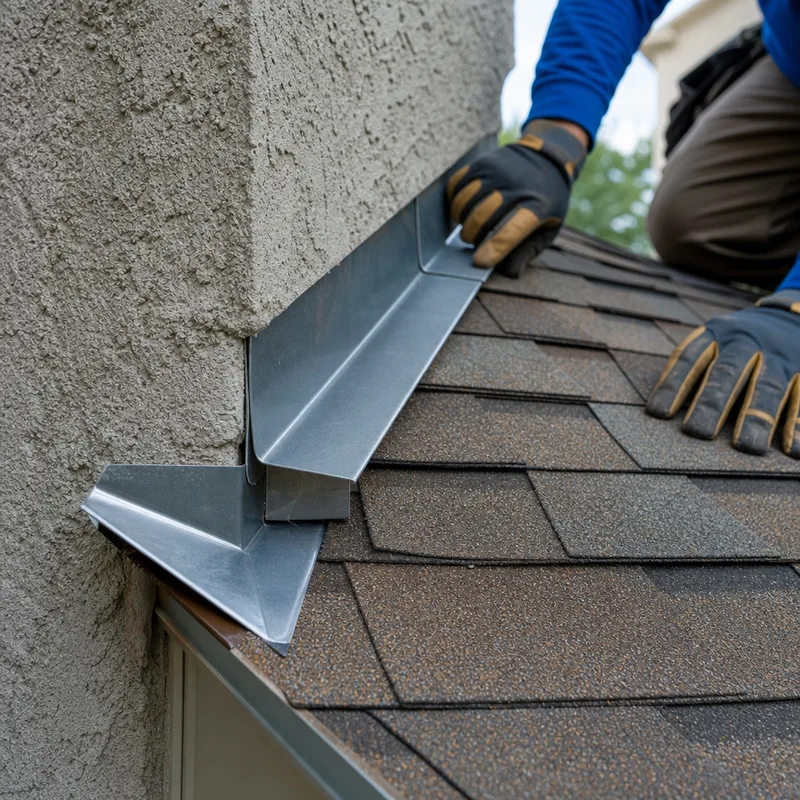
We inspect the roof surface and key details—valleys, penetrations, flashing, ridge, and edges—and document conditions with photos so you can see what we see.
You receive a clear scope of work and material options appropriate for your roof type and exposure, with allowances spelled out when hidden conditions are possible.
We confirm access, material staging, landscaping protection, and the plan if Front Range wind or storms affect the schedule.
During the job, we focus on the details that control water: underlayment placement, flashing method, valley construction, fastening, and ventilation components.
We complete a final review, collect debris, and use magnetic nail pickup in work areas. You receive confirmation of what was completed and what to monitor over time.
Planning Your Roofing Budget
Most Fort Collins roof repairs typically run about $350 to $1,500, while a full roof replacement commonly ranges from $9,000 to $25,000+ depending on size, pitch, tear-off layers, and material choice. Premium or complex roofs—steep slopes, multiple facets, skylights, or chimney work—can land higher.
Your price changes most with square footage, access and safety requirements, the condition of the decking, ventilation upgrades, and the underlayment and flashing details specified. The exact cost is confirmed after an onsite inspection and a written scope that matches your roof.
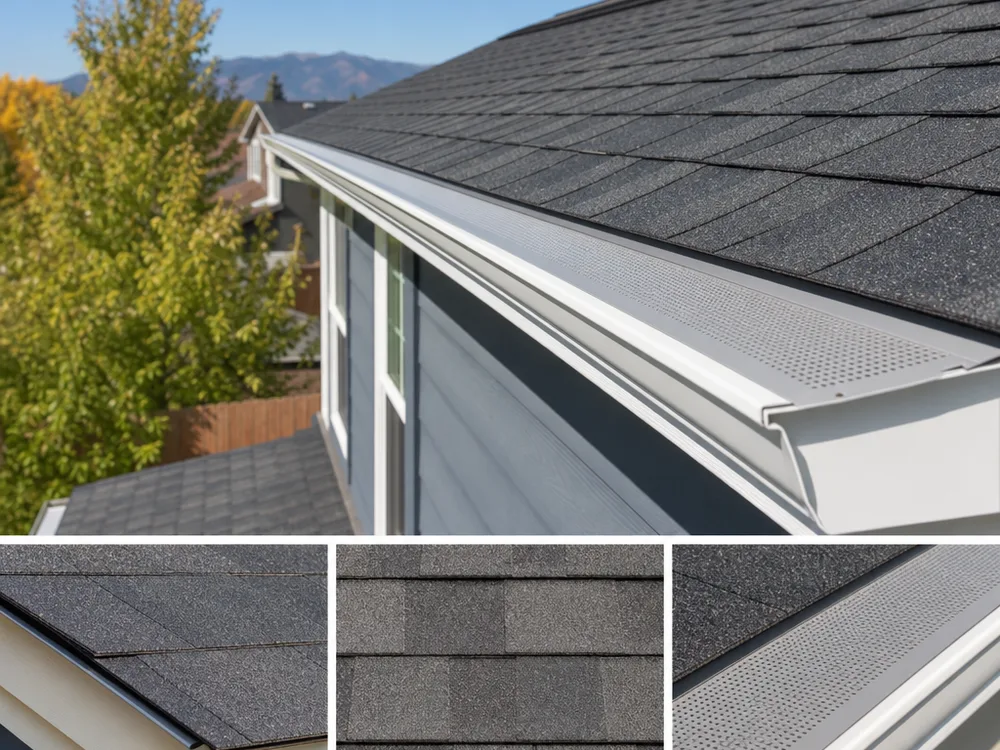
Workmanship in the Details
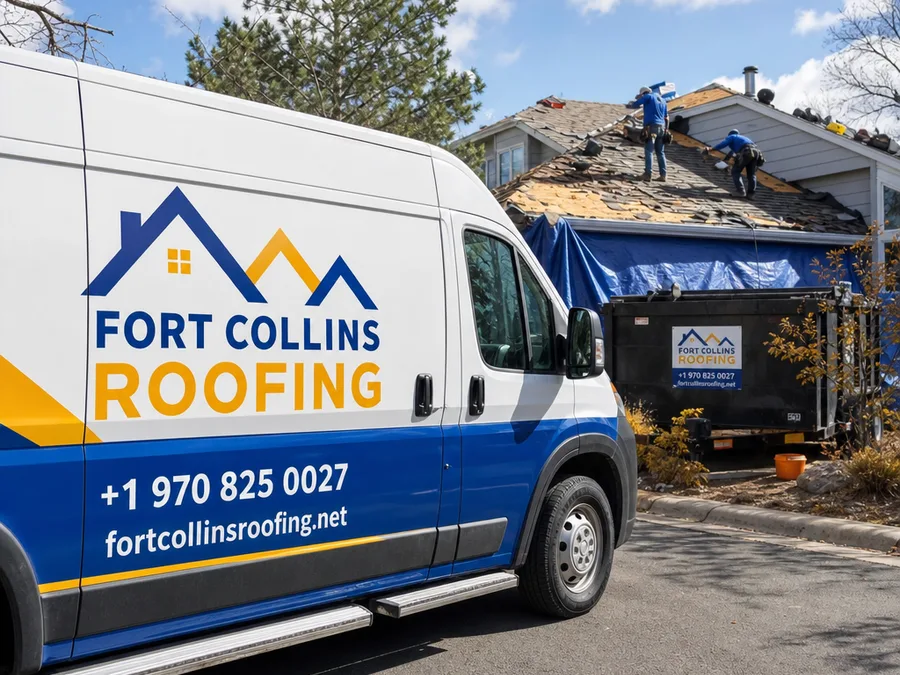
Homeowner Experiences
“The estimate spelled out the underlayment and flashing work instead of just giving a lump number. The crew protected our plants, cleaned up nails, and walked me through the photos after the job was done.”
“We had a leak near a wall intersection that two patch jobs never solved. They showed the issue in pictures, fixed the flashing detail, and the problem stopped after the next storm.”
“They were straightforward about what the insurance claim would and would not cover and helped us document the roof condition clearly. Communication was consistent the whole time.”
Answers Before You Decide
You usually need a replacement when shingles are broadly worn, damaged across multiple slopes, or the roof system has repeated failures at several details, while localized issues—like a single flashing point or a small area of impact damage—often qualify for repair. The deciding factors are how widespread the damage is, whether the shingles still seal properly, and whether the roof deck and underlayment are sound where water is traveling.
A solid estimate lists tear-off and disposal, underlayment type and placement, drip edge, valley method, flashing and pipe boot work, ventilation, and the exact roofing material and accessories. In Fort Collins, it should also explain how weather delays are handled and how the roof will be protected if a storm rolls in mid-project.
Many standard residential replacements can be completed in 1 to 3 days, but complex rooflines, steep pitches, decking repairs, and weather interruptions can extend the timeline. Wind and afternoon storms along the Front Range are common reasons a crew may pause work, so the schedule should include a plan for securing the roof at the end of each day.
Yes, many do, and the helpful part is thorough documentation: dated photos, a clear damage description, and a scope that matches what is actually on the roof. You should still expect the insurer and adjuster to make the coverage decision, but strong documentation makes it easier to have a clear, factual conversation about repair versus replacement.
Ask who will be onsite supervising, what flashing and valley method they use, what underlayment they specify, how they address ventilation, and how they protect landscaping and gutters. Also ask how they handle deck issues if they find soft or damaged sheathing after tear-off, because that is a common point where vague estimates become change orders.
Often yes, but it depends on temperature, wind, and roof conditions, because some materials need warmer conditions to seal properly and snow or frost can make the surface unsafe. In colder months, many homeowners choose inspections and planning, then schedule replacements during a stable weather window, while urgent leaks are typically addressed as repairs as conditions allow.
Start With an Inspection
Fort Collins Roofing can inspect your roof, show you the problem areas with photos, and provide a written scope you can compare confidently against other bids.