
Inspection that goes beyond a quick look
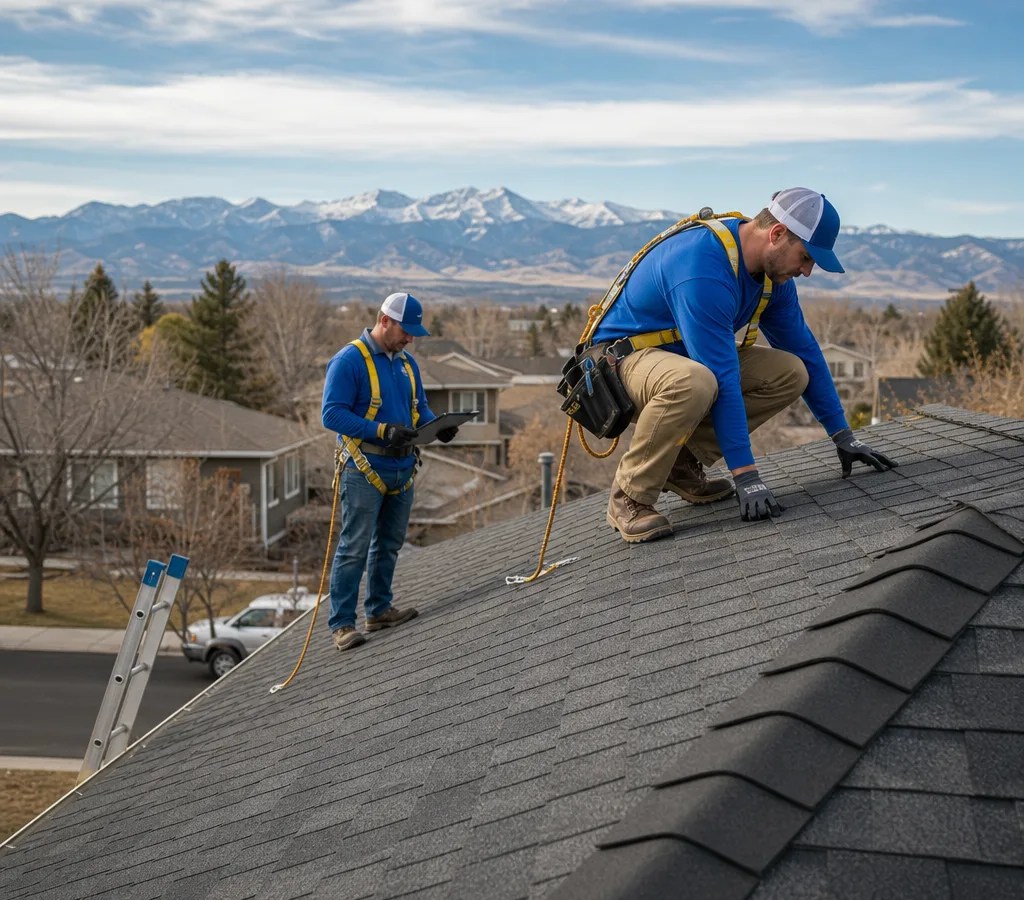
A real assessment includes roof planes, penetrations, flashing, valleys, vents, and the attic signs that point to a leak path. You should get photos and a written summary, not guesses.
Serving Fort Collins, Colorado & surrounding areas
Mon–Sat · 7am–7pm
Roofing Contractors · Fort Collins, Colorado
Get a clear inspection, a written scope, and workmanship you can verify. Our crews handle storm damage, leaks, and full replacements with tidy job sites and straightforward pricing.
Local Contractor Fundamentals
When you are comparing fort collins roofing contractors, you are really comparing how they inspect, how they write the scope, and how they manage the job site once the roof is opened up. In Fort Collins, wind and hail can turn a small issue into a fast leak, and dry, sunny stretches can hide damage until the next storm. A dependable contractor documents what is wrong, explains the options in plain terms, and gives you a plan you can hold them to.
Fort Collins Roofing is based in Fort Collins (80523). We work on residential and light commercial roofs and focus on the things homeowners care about when hiring roofing contractors in Fort Collins, CO: clear communication, safe crews, solid materials, and cleanup that does not leave nails in the driveway. If you are also looking at other roof-related work beyond this contractor overview, you can start with Fort Collins Roofing Services to see the full range we handle.
What to Expect
A real assessment includes roof planes, penetrations, flashing, valleys, vents, and the attic signs that point to a leak path. You should get photos and a written summary, not guesses.
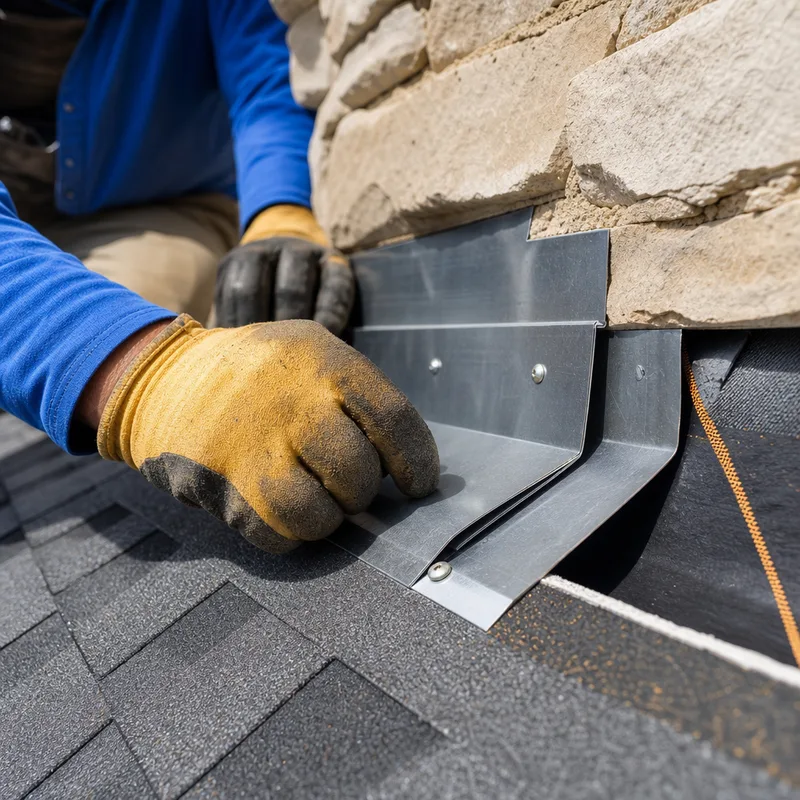
The scope should spell out underlayment, flashing approach, ventilation plan, drip edge details where applicable, disposal, and how deck issues are handled if discovered after tear-off.
In a high-sun, hail-prone region, shingle selection, impact resistance options, and proper starter and edge details matter as much as brand names.
Expect clear start dates, a site supervisor, ladder and fall protection practices, and protection for landscaping and siding. A good crew does not treat your property like a construction dumpster.
Tarps, daily pickup, and magnetic nail sweeps are standard. You should be able to walk your driveway and yard after the job without finding debris.
Right-Sized Recommendations
A contractor's job is to help you choose the smallest scope that reliably fixes the problem and holds up through the next season.
Repairs make sense when the roof system is generally sound and the issue is localized, such as a small flashing failure, a lifted shingle run, a pipe boot problem, or a minor puncture. The best repair proposals identify the leak source—not just the ceiling stain—describe the exact materials used, and note what areas are re-sealed or re-fastened.
Replacement is usually the right call when the roof shows widespread wear, repeated leak history, or broad storm impacts across multiple slopes. A proper replacement plan includes tear-off, deck review, underlayment and ice-and-water details at vulnerable areas, new flashing strategy, ventilation considerations, and a disposal plan.
In Fort Collins neighborhoods with mature trees like Old Town and parts of City Park, debris and shading can accelerate wear at valleys and around penetrations. In newer areas like Harmony Corridor or around Rigden Farm, roof geometry and builder details often drive where problems show up first—edges, vents, and transitions. A good inspection ties the recommendation to what your roof actually shows, not to a one-size-fits-all script.

We inspect the roof surface and the common leak and failure points—penetrations, flashing, valleys, ridge and hip caps, and edges. When helpful, we also look for attic indicators that narrow down the leak path.
You receive a written scope that lists what gets repaired or replaced, what materials are specified, and what assumptions the price depends on. If there are unknowns that cannot be confirmed until tear-off, they are identified up front.
We confirm the start window, delivery plan, access points, and protection for landscaping and exterior features. You will know what to move and what we will cover or tarp.
Repairs are completed to address the root cause, not just the symptom. Replacements follow manufacturer and code-aligned best practices for underlayment, flashing, fastening patterns, and ventilation details as applicable to your roof.
We do a full cleanup, including a nail sweep, and review the finished work with you so you know what was done and what to watch for after the next big rain or hail event.
Planning Your Roofing Project
Most Fort Collins roofing contractor jobs typically range from about $350 to $1,200 for many common repairs, while a full roof replacement often runs roughly $9,000 to $22,000+ depending on size, pitch, material, and tear-off needs.
Your final price changes with roof access and steepness, layers to remove, shingle or metal choice, flashing complexity—valleys, chimneys, and skylights—ventilation corrections, and any decking that needs replacement after tear-off. The exact cost is confirmed after an on-site inspection and a written scope.
Workmanship in the Details

Homeowner Experiences
“After the last hailstorm we had a few drips in the guest room. The inspection photos made it obvious where the water was getting in, and the scope was specific enough that we knew exactly what was being repaired. The crew protected the landscaping and the cleanup was thorough.”
“We got multiple bids and this was the only one that spelled out the flashing and ventilation details. The job stayed on schedule, and the site was picked up every day.”
“They didn't push a full replacement when a targeted repair was the right move. It's been through heavy rain since, and the leak hasn't returned.”
Answers Before You Decide
A solid estimate lists the exact scope, materials, tear-off and disposal plan, flashing approach, ventilation plan if changes are included, and how hidden deck damage will be handled if discovered. In Fort Collins, it should also note any storm-damage documentation you will receive—photos and marked areas—because that often affects how confidently you can compare bids.
Many active leaks can be stabilized quickly with targeted repairs or temporary weather protection, but the right fix depends on locating the entry point and checking flashing and penetrations. If water is showing inside, it is worth getting an inspection scheduled as soon as possible because the next rain or wind event can widen the damage.
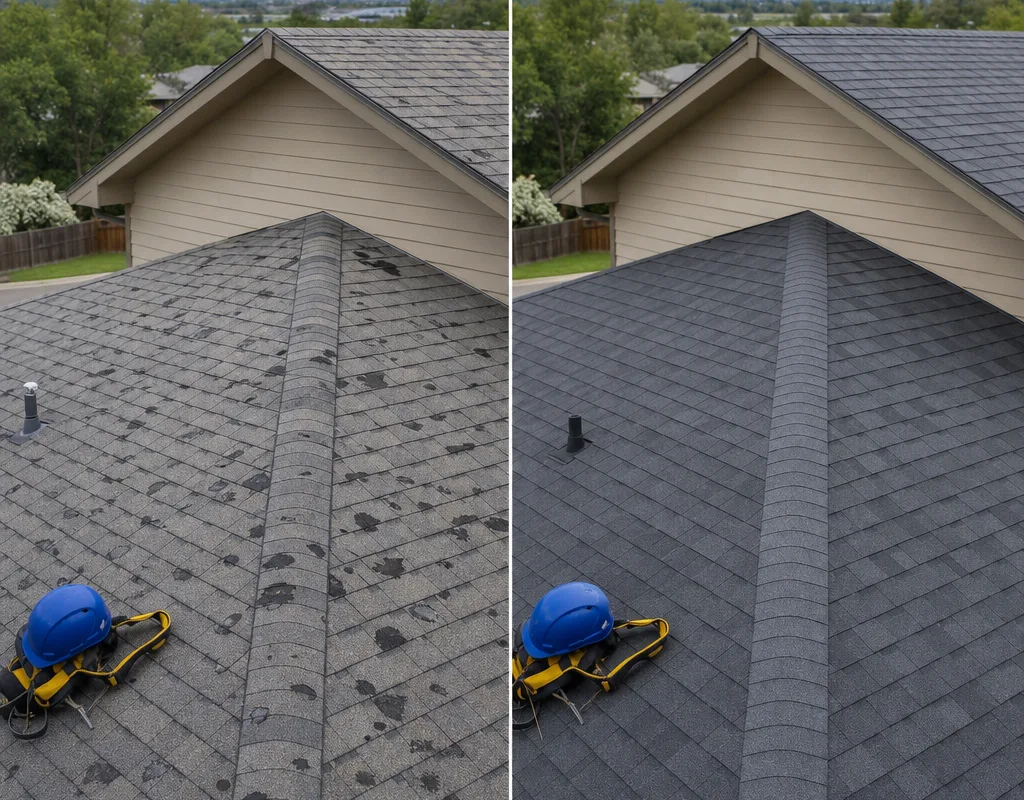
A proper hail assessment documents impacts by slope, looks for bruising or granule loss on shingles, checks soft metal such as vents and flashing for corroborating hits, and notes functional damage versus cosmetic marks. You should receive clear photos and a written summary so you can make a decision based on evidence, not pressure.
In most replacements, critical flashings and penetrations are evaluated and commonly replaced or rebuilt as part of the scope, because reusing worn components can create early leaks. The key is that the scope spells out exactly what is being replaced versus reused so you are not guessing after tear-off.
Water often enters at flashing transitions, valleys, or penetrations, then travels along underlayment, decking seams, or framing before it shows on drywall. That is why a contractor should trace the path, not just seal near the interior stain.
Ask who will supervise the crew, what the start-to-finish schedule looks like, how the property will be protected, what cleanup steps are included—including nail sweeps—and what warranty applies to workmanship. Also ask how change conditions are handled if decking issues appear after tear-off, since that is one of the most common jobsite variables.
Start With an Inspection
Tell us what you are seeing, and we will schedule an inspection, document the condition, and provide a written scope with clear pricing so you can make the next decision with confidence.